Timber Thinning for forest health
Timber thinning, sometimes called forest thinning, is one of the most effective ways to improve the forest health and long-term value of your land.
By removing selected trees, the remaining trees have more access to light, water, and nutrients. The result is a stronger, more resilient stand that can continue to grow and improve over time.
Every property is different. Thinning should never follow a standard formula. The right approach depends on species, terrain, density, and what you want the land to become.
What Thinning Does
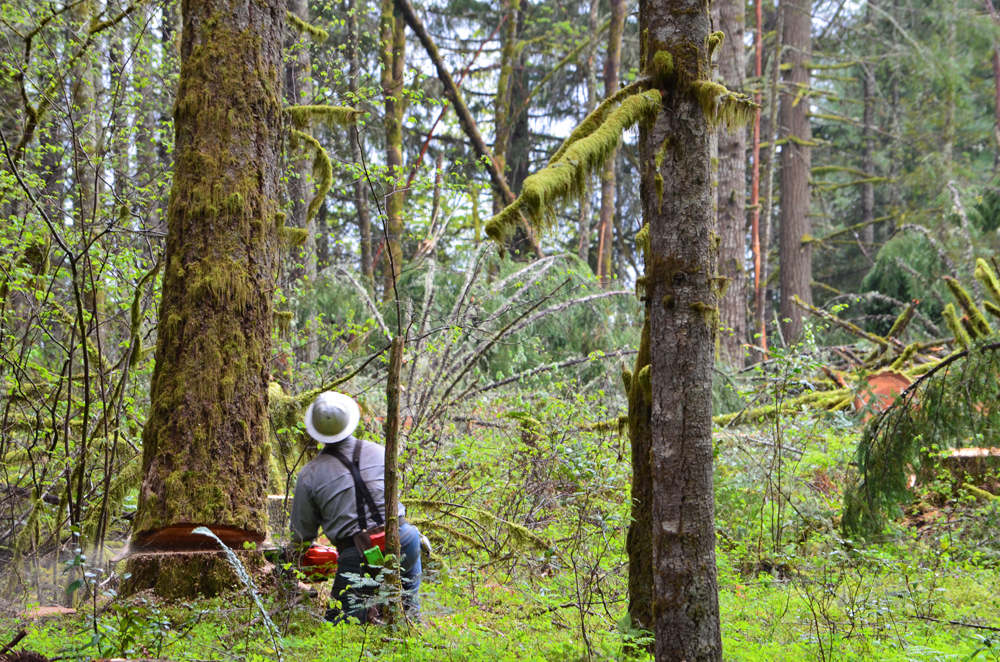
Thinning is not just about removing trees. It is about improving what stays.
Done correctly, timber thinning can:
- Improve overall forest health
- Increase growth of remaining trees
- Reduce overcrowding and competition
- Lower the risk of disease and pest issues
- Make the land more accessible and usable
For many landowners, thinning is the first step toward turning an overgrown property into something more manageable and valuable.
When Timber Thinning Makes Sense
Not every property needs thinning, but there are some clear signs that it may be time:
- Trees are too dense or competing for space
- Growth has slowed or looks uneven
- You want to improve long-term timber value
- You are planning for future harvesting
- You want better access through the property
The best way to know for sure is to walk the land and take a look at what is actually there.
How We Approach Thinning
Every project starts with a conversation about your goals.
Some landowners are focused on improving timber value over time. Others want to reduce fire risk, improve access, or make the land easier to use.
We take the time to:
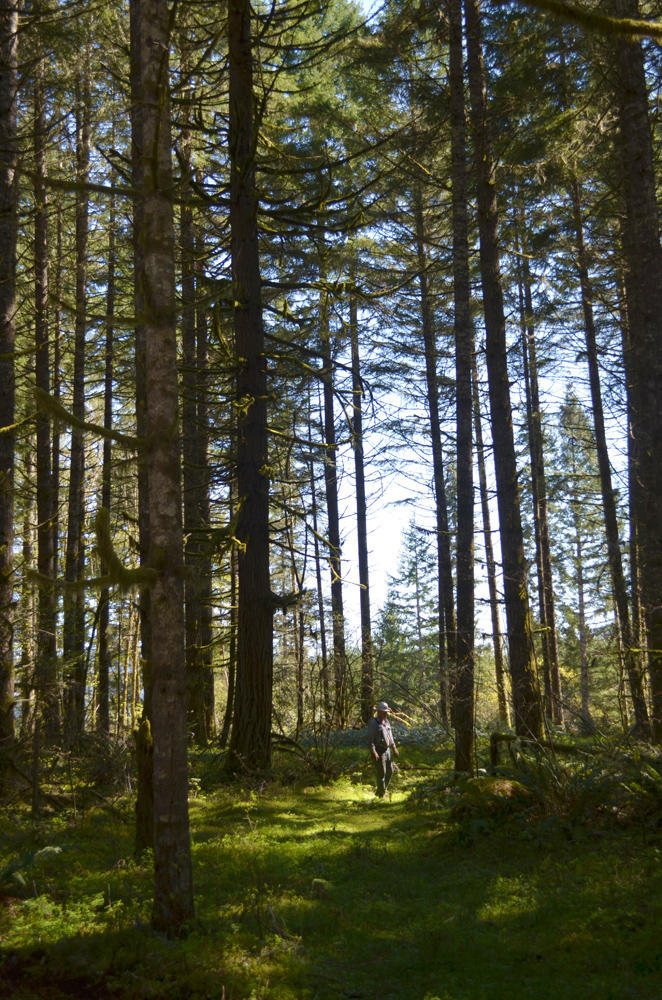
- Walk the property with you
- Look at tree density and species mix
- Talk through your goals
- Build a plan that fits both the land and your priorities
There is no one-size-fits-all approach to thinning. The land tells you what it needs.
Timber Thinning in Northwestern Oregon
We provide thinning services throughout Northwestern Oregon, including areas around Cottage Grove, Roseburg, Oakridge, and along the Highway 58 corridor.
Local terrain, access, and timber types all play a role in how thinning should be done. Experience in this region matters.
If you are unsure whether your property is within range, reach out. We are happy to take a look.
Timber Thinning FAQs
How do I know if my timber is ready to harvest?
It depends on species, age, density, and your long-term goals. A site visit is the best way to determine the right timing.
Does thinning increase timber value?
In many cases, yes. Thinning allows remaining trees to grow larger and stronger, which can increase their value over time.
Will thinning damage my land?
A properly planned thinning project is designed to improve long-term land health while minimizing impact.
How often should thinning be done?
That depends on your forest and your goals. Some properties benefit from periodic thinning over time.
Can thinning generate income?
Sometimes. Depending on the timber removed and current market conditions, thinning may offset costs or provide some return.
Can thinning generate income?
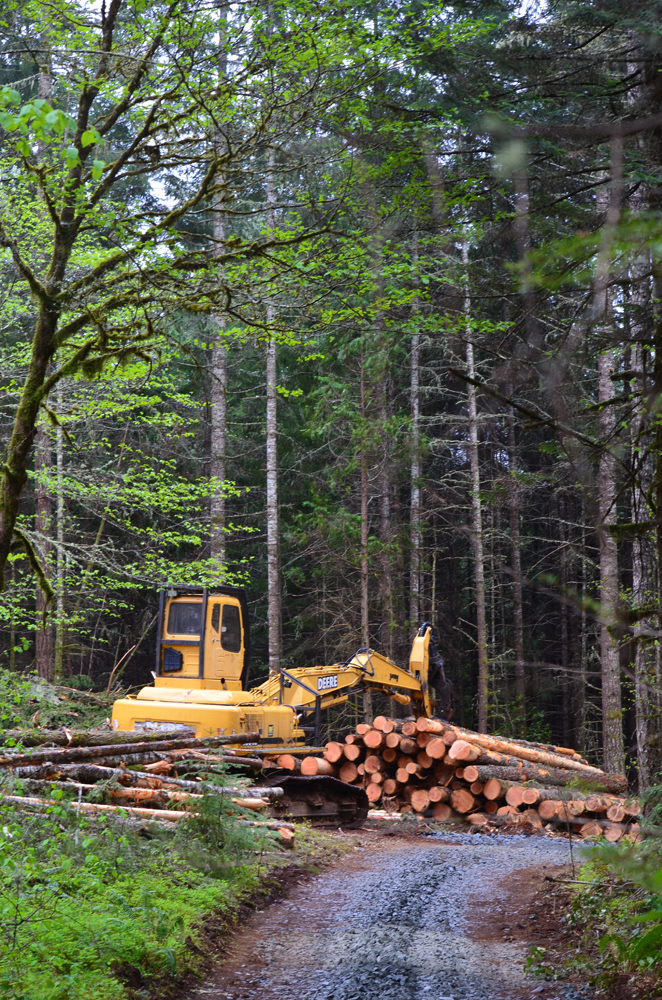
Yes! You are selling logs, just as you are when clearcutting.
Let's Get Started
If you are looking at your property and wondering whether thinning makes sense, the best place to start is a walk through the land. We will take a look, talk through your goals, and help you understand your options.
Experience
With over 40 years of experience in the timber industry, the folks at High Mountain Resources know how to serve you. From quality workmanship to knowledge of other aspects of forestry, we give the landowner assurance that their job is being done right and that their property is in capable hands.
Practices
We address environmental challenges with an ethical approach. Streams, slopes and wildlife are all examples of these challenges. In these cases, we usually fall trees away from streams, limit work on steep and unstable slopes and usually leave habitat for wildlife to mitigate the effect of timber harvesting.
Selling Your Logs
Getting the most for your logs is more than just selling to the highest bidder. It is the art of knowing where to cut your logs to maximize grade and scale which are the basis on which logs are priced and sold. It is the ability and willingness to sort and sell logs to multiple buyers. That's where we can help.
Consulting
Not sure what to do with your timberland? We help landowners understand their options. Whether you're looking to harvest, manage for the long term, sell, or improve property access, we'll walk your land, listen to your goals, and provide honest guidance on what's realistic for your situation. No obligation—just straightforward advice.
Client Testimonials
Ken Groat has been a valuable part of our tree farm for many years. His knowledge of forest practices, timber markets, and operations has been a tremendous asset. Ken developed a strong relationship with my father and continues to be someone our family can count on for advice, guidance, and help when needed.
Will A., Family Tree Farm
We hired High Mountain Resources to log four acres of our woodland lot in 2025. Ken was professional, timely, and handled our neighbors' concerns with care. He even helped coordinate the access road and prepare the property for replanting. The entire process was straightforward, and our timber payments arrived promptly.
I highly recommend High Mountain Resources for small woodland projects.
Wayne H.
Ken was knowledgeable, cautious, and well connected with local timber buyers. He helped us make the most of our property while preserving its natural beauty and important shade trees. The finished property looks like a park, and we no longer worry about trees threatening our home. We couldn't have asked for a better experience.
Loria G.