Habitat Conservation
Habitat conservation is not something we think about after the work is done. It is built into how we plan and run every project.
Logging touches the land. Done carelessly, it can damage streams, destabilize slopes, and disrupt the wildlife that depends on that forest. Done right, it leaves the land in a condition that supports healthy timber and healthy habitat for years to come.
That balance is something we take seriously on every job.

Responsible Logging Starts With the Land
Before any equipment moves, we look at what is there. Streams, steep terrain, unstable soils, and wildlife habitat all factor into how a job gets planned. The goal is to get the job done effectively while making sure the land comes out of it in good shape.
That means asking the right questions up front:
- Where are the streams and riparian areas that need buffers?
- Which slopes are too steep or unstable to work safely?
- What wildlife habitat is present and how do we work around it?
- Where should equipment travel to minimize soil disturbance?
Getting those answers before the work starts is what separates a well-run job from one that causes problems down the road.
Stream and Riparian Protection
Streams and the vegetation around them are some of the most important habitat features on private timberland. They support fish, wildlife, water quality, and the long-term health of the surrounding forest.
When we work near water, we fall trees away from streams and maintain buffers that protect the banks and the vegetation that holds them in place. Keeping equipment out of riparian areas is a standard part of how we operate, not an exception.
Protecting these areas is not just good practice. It is the right thing to do for the land and for the people who own it.
Working on Slopes the Right Way
Steep and unstable slopes require a different approach than flat or gently rolling ground. Pushing equipment into terrain that cannot support it leads to erosion, soil compaction, and long-term damage that is difficult to undo.
We limit work on slopes where the risk of disturbance is high. When timber on steeper ground does need to be accessed, we plan carefully for how to do it without compromising the integrity of the hillside or the habitat it supports.
Experience in western Oregon terrain matters here. Not every slope looks the same, and knowing how to read the land is part of doing the job well.
Leaving Habitat for Wildlife
Timber harvesting and wildlife habitat are not opposites. A well-managed forest can support both.
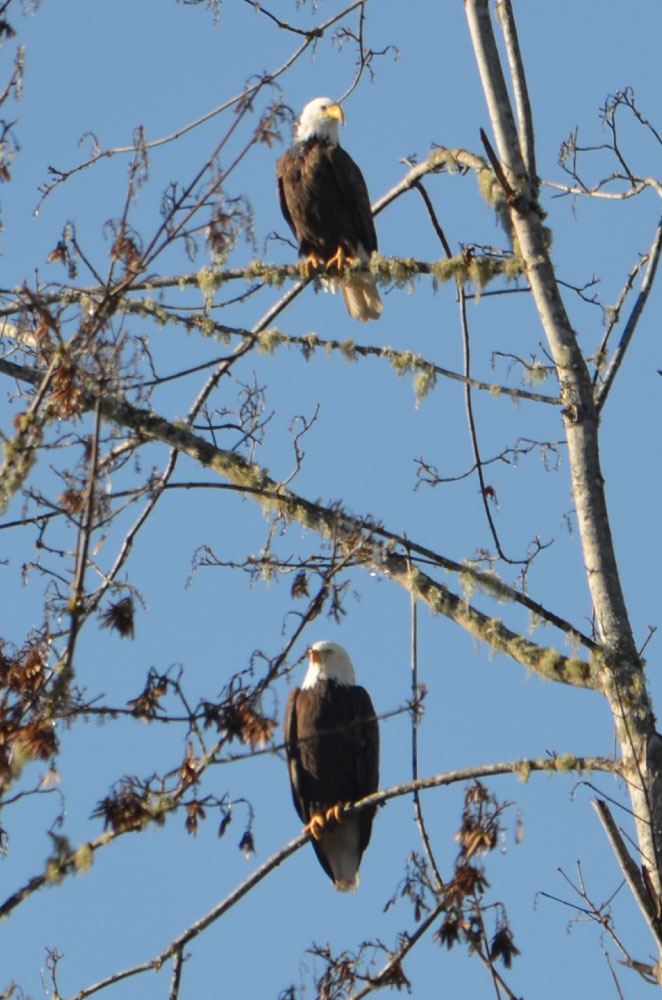
We look for opportunities to retain habitat features where they make sense. That includes leaving snags and downed wood that provide cover and nesting for birds and small mammals and maintaining travel corridors where possible.
The goal is not to avoid all impact. It is to work thoughtfully so the land retains its value for wildlife alongside its value as timber ground.

Why This Matters to Landowners
Most private landowners in western Oregon care about their land beyond its timber value. They want to see it stay healthy, productive, and worth passing on.
Habitat conservation practices protect that. They also protect landowners from the kind of damage that leads to regulatory problems, erosion issues, and costly repairs after a job is finished.
Working with a contractor who takes these things seriously is one of the best ways to make sure a timber harvest adds value rather than creating problems.
Habitat Conservation in Western Oregon
We work with private landowners throughout Western Oregon. This region has a diverse mix of timber types, terrain, and sensitive habitat features. Local knowledge of how to work in these conditions is something we bring to every project.
If you are unsure whether your property is within range, reach out. We are happy to take a look.
Habitat Conservation FAQs
How do I know if my timber is ready to harvest?
It depends on species, age, density, and your long-term goals. A site visit is the best way to determine the right timing.
Will timber work damage my streams or wildlife habitat?
Not if it is planned and executed properly. We build habitat protection into how every job gets done.
Can I still harvest timber if I have sensitive habitat on my property?
In most cases, yes. Sensitive areas require more careful planning, but they do not necessarily prevent timber work from happening.

Let's Get Started
If you want timber work done in a way that respects the land, we are the right crew for the job. We will walk the property with you, talk through what needs to be protected, and make sure the plan accounts for both the timber and the land it grows on.
Experience
With over 40 years of experience in the timber industry, the folks at High Mountain Resources know how to serve you. From quality workmanship to knowledge of other aspects of forestry, we give the landowner assurance that their job is being done right and that their property is in capable hands.
Practices
We address environmental challenges with an ethical approach. Streams, slopes and wildlife are all examples of these challenges. In these cases, we usually fall trees away from streams, limit work on steep and unstable slopes and usually leave habitat for wildlife to mitigate the effect of timber harvesting.
Selling Your Logs
Getting the most for your logs is more than just selling to the highest bidder. It is the art of knowing where to cut your logs to maximize grade and scale which are the basis on which logs are priced and sold. It is the ability and willingness to sort and sell logs to multiple buyers. That's where we can help.
Consulting
Not sure what to do with your timberland? We help landowners understand their options. Whether you're looking to harvest, manage for the long term, sell, or improve property access, we'll walk your land, listen to your goals, and provide honest guidance on what's realistic for your situation. No obligation—just straightforward advice.
Client Testimonials
Ken Groat has been a valuable part of our tree farm for many years. His knowledge of forest practices, timber markets, and operations has been a tremendous asset. Ken developed a strong relationship with my father and continues to be someone our family can count on for advice, guidance, and help when needed.
Will A., Family Tree Farm
We hired High Mountain Resources to log four acres of our woodland lot in 2025. Ken was professional, timely, and handled our neighbors' concerns with care. He even helped coordinate the access road and prepare the property for replanting. The entire process was straightforward, and our timber payments arrived promptly.
I highly recommend High Mountain Resources for small woodland projects.
Wayne H.
Ken was knowledgeable, cautious, and well connected with local timber buyers. He helped us make the most of our property while preserving its natural beauty and important shade trees. The finished property looks like a park, and we no longer worry about trees threatening our home. We couldn't have asked for a better experience.
Loria G.